A decision before the product
Rent, borrow or buy a little used item
For an occasional task, choosing the access mode can be more useful than comparing the marks. The cost per use gives a benchmark, provided that the uncertainties and practical constraints remain.
Quick response
Essential in a minute
Describe the task and the number of intended uses. Compare the initial expenses, usage fees and transportation for each option. Check availability, content, condition and conditions of discount. Keep aside the retraceable deposit and unquantified risks; a cost threshold does not guarantee the availability or quality of an object.

1. Describe the service sought
Start with a task: clean a surface, drill a material, transport an object or have equipment for a few outputs. Note the duration, accessories and expected result. Check if a solution already available can be suitable. L的ADEME presents resources for searching for rent, second hand or share; their existence does not ensure the availability of an object near you. Have the reference and niche confirmed before comparing a price found on a general page.
- Task and duration specified.
- Essential accessories listed.
- Subject matter and availability confirmed.
2. Separate three types of amounts
Distinguish initial expenses, repeated expenses and fixed amount. The purchase delivered and a mandatory accessory are fixed costs of the scenario. A rental at each exit or consumable are costs per use. A retraceable deposit immobilizes money but is not automatically a final expense: keep it separate and read the conditions. If transport or cleaning remains unknown, do not give it silently zero. Ask the amount or present your calculation as a subset of expenses.
- Fixed and repeated costs separated.
- Distinguished price guarantee.
- Unknown posts reported.
3. Compare with the same number of uses
Fictitious example: buying a delivered tool costs 180 € and consumables 2 € per use. Renting an equivalent set amounts to 24 € per use, transport included in the hypothesis. For six uses: purchase = 180 + 6 × 2 = 192 €, i.e. 32 €/use; rental = 6 × 24 = 144 €, i.e. 24 For ten uses, the amounts become 200 € and 240 €. The arithmetic threshold is 180 Φ (24 − 2), or about 8,18 uses: purchase becomes cheaper from nine uses if all assumptions remain valid.
- Same service and same number of uses.
- Transportation and accessories included in the assumptions.
- Distinguished threshold for a promise of profitability.
4. Examine constraints that do not fit in the total
For a rental or loan, confirm condition, accessories, discount and return times, usage instructions and procedure in case of problem. For a purchase, consider storage, maintenance and actual possibility of use. Do not assume a future resale value or no breakdown to change the result. Replay the scenario with less use if your need is uncertain. The cheapest option may remain inappropriate if it does not allow for the task at the time necessary.
- Remission and return arranged.
- Documented condition and accessories.
- Storage and uncertainties considered.
Compare
What to confirm according to the option
| Option | Costs to be raised | Practical question |
|---|---|---|
| Buy | Price delivered, maintenance, consumables | How many established uses? |
| Rent | Rental, transport, applicable charges | Object available at the right time? |
| Borrow | Transport and agreed expenses | State and return understood? |
| Second hand | Prices, accessories, rehabilitation | Does the product do the same service? |
Fictional example · No merchant prices
Three uses and five uses can lead to different choices
Fictional example: a tool costs €85 to buy with €5 maintenance over the period. Rental costs €12 per day plus €8 travel per rental. Three separate one-day rentals total €60, versus €90 to buy. Five identical rentals total €100, versus €90 to buy if maintenance is unchanged. This assumes one day per use and excludes consumables, resale value and storage.
| Expense item | Rent three times | Buy |
|---|---|---|
| Rental or purchase | 36.00 € | 85.00 € |
| Travel or maintenance | 24.00 € | 5.00 € |
| Total of included items | 60.00 € | 90.00 € |
At three uses, rental saves €30 under these assumptions. This chart does not predict the tool’s lifespan or include possible resale value.
- Count planned uses over a common period.
- Ask whether the deposit is refundable: it ties up cash without necessarily being a final expense.
- Check availability, accessories, transport and the period actually billed.
Before you continue
Final checklist : Rent, borrow or buy
Check the points you actually checked. Checks stay in this page during the visit; they are not sent to the server. A checked point does not constitute a validation of the merchant.
Guide: Rent, borrow or buy · Révision éditoriale : 26 October 2026.
Frequently Asked Questions
Useful answers
Should the security be added to the cost of use?
A re-enforceable bond is not automatically a final cost. Keep it separate to provide for the locked-in money and check the conditions of restitution or restraint.
Does the calculated threshold require purchasing?
No. It depends on your amounts and the number of uses. It does not provide for breakdowns, availability, comfort or resale value.
Can I use the same method for a coffee machine?
Yes, by keeping the same amount of drinks and adding the known consumables and costs. The result compares a budget, not the quality of preparation.
To check
Reference sources and documentation
Sources consulted on .
The editorial update date does not guarantee a new verification of each source. See the references for an individual situation or regulatory evolution.
- ADEME — Renting, buying and exchanging itemsResources to find other access modes. The calculations and amounts of this guide are fictitious; they do not describe a lease.
Putting into practice
Explore relevant shops




Continue
Other purchase guides
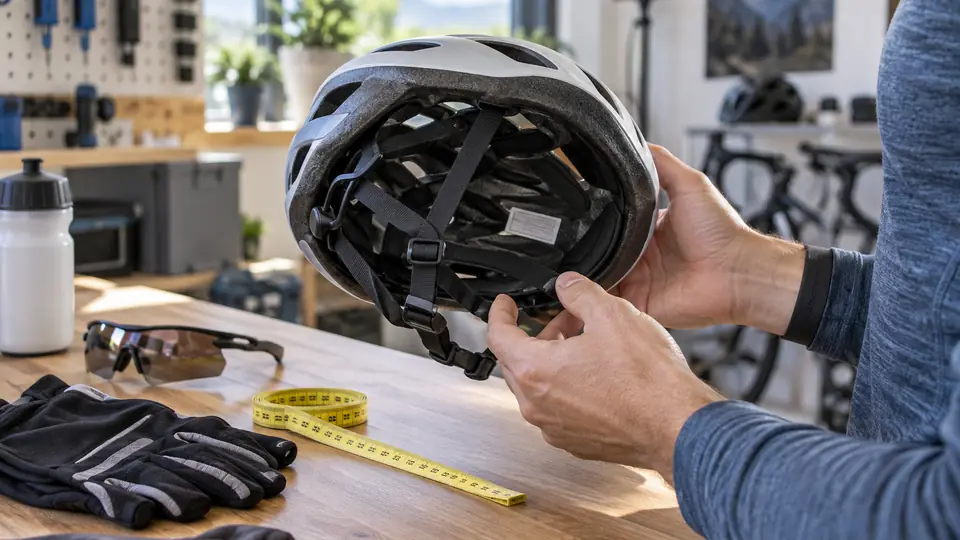
Sport and safety
Choose sports protective equipment
Discipline, size, marking, notice, adjustment and aging: choose a helmet or PPE adapted to the risk and user.
Read the guide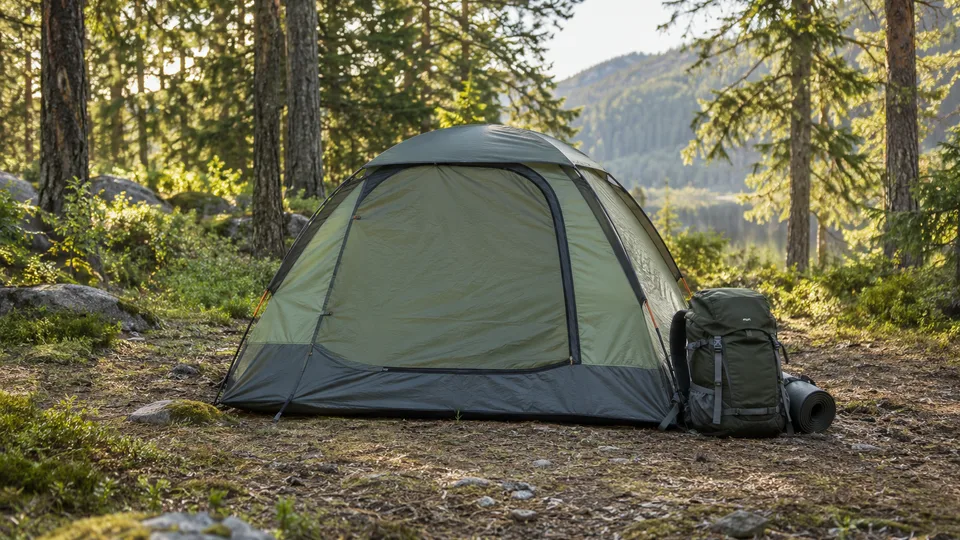
Camping and outdoors
Choose a camping tent
Choose a tent according to the transport, sleeping space, storage, mounting, ventilation and the necessary rooms for your stay.
Read the guide
Services and housing
Compare removal quotes
Prepare an inventory and access to compare removal estimates, benefits, stakeholders, documents and supplements.
Read the guide