Sport and safety
Helmet and sports protection: choose suitable equipment
Effective protection must aim at the right risk, be of the right size and remain properly positioned during the activity. The appearance or presence of an isolated sticker does not make it possible to conclude.
Quick response
Essential in a minute
Identify the specific discipline and risk, then check that the equipment is intended for this use, carry the expected markings and have an understandable notice. Measure the user and follow the manufacturer's guide; a helmet must remain stable without a compression point. Look for the date of manufacture or expiry when it is planned and give up a used equipment whose shock or storage history is unknown.

1. Identifying Risk and Discipline
A helmet for cycling, skiing, riding or mountaineering does not necessarily meet the same demands. Describe the practice, level, environment and risks against which you are looking for protection. Check the destination indicated by the manufacturer and do not divert a product from its use. For other PPE, such as glasses, gloves or joint protections, also identify the area covered and the limits announced. A protection never removes the need to comply with the rules of activity.
- Accurate discipline defined.
- Risk covered by the product.
- Including limits of protection.
2. Examine marking, package leaflet and seller
Personal protective equipment must comply with safety requirements, with CE marking and EU declaration of conformity. Find manufacturer, model, lot or reference, size and notice in French. The marking must be visible and durable, but its presence alone is not an expertise: check also the identity of the seller and the consistency of the documentation. For an online purchase, ask for the views of the label and interior if they are missing, and then check the official reminders.
- Manufacturer and model identifiable.
- Marking and package leaflet available.
- Reminders sought before use.
3. Measure, try and adjust
Measure according to the manufacturer's method, then try the equipment with the elements actually worn during the practice. A properly adjusted helmet remains stable when the head moves, does not tip over the eyes and does not create localized pain. Adjust straps, wheel and pads without changing the structure. For a child, regularly control the size and do not buy too large voluntarily to anticipate growth: unstable protection can lose its effectiveness.
- Action taken according to the guide.
- Stability tested in several movements.
- Adjusted without changing the shell.
4. Know the history and duration of use
Look for date of manufacture, recommended duration, storage conditions and replacement criteria. Heat, solvents, UV, crushing or shock can degrade equipment without any dramatic damage. After a significant impact, follow the manufacturer's replacement instructions. For the occasion, the absence of reliable history is a major risk, especially for a helmet. Keep notice and proof of purchase, regularly inspect hull, foam, straps and fasteners, and do not perform improvised repair.
- Date and duration of use known
- Insured compatible storage.
- History of reliable shock or discarded purchase.
Compare
Control before purchase and use
| Step | What to check | Refuse if |
|---|---|---|
| Use | Discipline and risk | Different destination |
| Compliance | EC, model, package leaflet | Traceability missing |
| Adjustment | Size, stability, straps | Excessive pain or movement |
| Background | Date, storage, shocks | Unknown impact or past |
Before you continue
Final checklist : Choose sports protective equipment
Check the points you actually checked. Checks stay in this page during the visit; they are not sent to the server. A checked point does not constitute a validation of the merchant.
Guide: Choose sports protective equipment · Révision éditoriale : 14 September 2026.
Frequently Asked Questions
Useful answers
Are all sports helmets interchangeable?
No. They are designed for different disciplines and risks. Check the exact destination and manufacturer's instructions.
Does the CE marking suffice to choose?
It is an essential regulatory element, but it is also necessary to check use, size, package leaflet, seller, traceability, status and possible recalls.
Can we buy a used helmet?
The history of shock, storage and aging is often impossible to establish. If this history is not reliable, it is better to give up.
To check
Reference sources and documentation
The editorial update date does not guarantee a new verification of each source. See the references for an individual situation or regulatory evolution.
- DGCCRF — Personal protective equipmentCE marking, declaration of conformity, ageing and safety.
- DGCCRF — Sport helmets: opt for a safe productDiscipline, size, marking and choice of helmet.
Putting into practice
Explore relevant shops
Continue
Other purchase guides
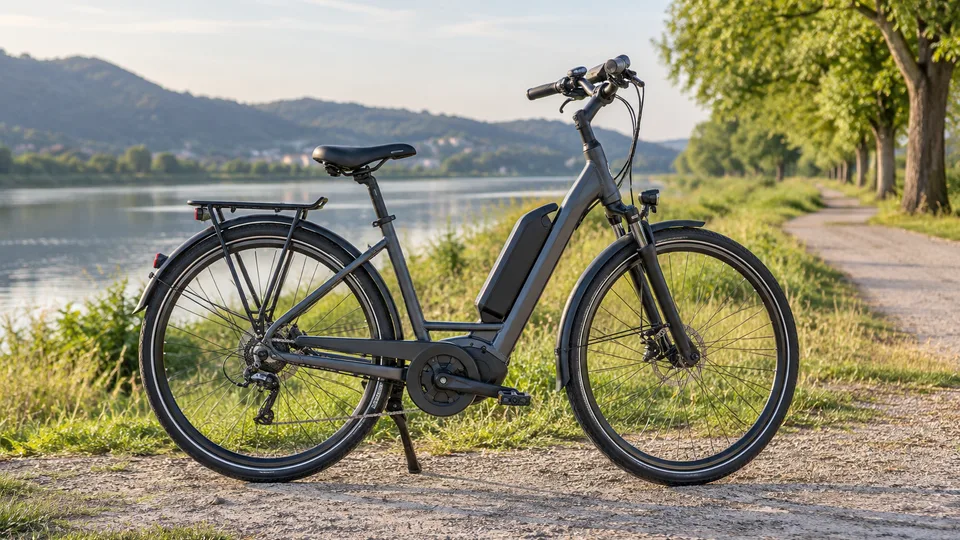
Cycles and displacements
Plan an electric bike purchase
Compare an electric bike according to your journeys, handling, charging, equipment delivered and possibilities of mounting and maintenance.
Read the guide
Second hand between individuals
Buy from a private seller
Announcement, identity, status, payment and delivery: a concrete method to verify and document a second-hand purchase from an individual.
Read the guide
Fashion and shoes
Compare shoe sizes and widths
Prepare a purchase of shoes with useful measurements, model guide, material reading and a clean test before deciding on the return.
Read the guide