Fashion and shoes
Shoes online : size, width and materials
A usual size is a starting point. To compare two models, you also need to know the shape, width and materials of their different parts.
Quick response
Essential in a minute
Check the model's guide, measure your two feet according to its instructions and specify the socks you want. Distinguish the outer material, lining and sole. Upon receipt, try cleanly inside and keep the packaging during your decision. An equivalence between country sizes does not replace the seller's length and width indications.

1. Preparing a reproducible measure
Take the measurements required by the size guide, without inventing a universal margin applicable to all brands. Note the length of each foot and the width indications when they exist. Specify the type of socks or soles you intend to use. If two sizes seem possible, ask the seller how his guide should be interpreted rather than converting only a foreign size. Keep a note dated with the model envisaged and your measurement: you can compare the answers without mixing foot size and announced inner length.
- Two feet measured.
- Unit and method noted.
- Socks and soles specified.
2. Compare shape and settings
Check the profile, top and closure photos. Look for width, size, and adjustment indications. A shoelace, flange, or other support system changes the way the shoe is adjusted, but does not automatically correct a poorly sized model. For a particular purpose, define the specific constraints: daily walking, workwear, or wearing a personal sole. Do not turn a promise of comfort into a guarantee tailored to your foot. In case of medical need, ask for appropriate professional advice.
- Documented width if available.
- Adjustment and opening included.
- Actual use described.
3. Read each part of the label
The DGCCRF distinguishes the upper, the lining and the outsole, and then the outsole. Thus, only one mention of leather does not inform all the parts. Look for the text or the composition pictograms, then the maintenance instructions adapted to the model. Compare what you will need to buy to maintain the pair, especially if a specific product is recommended. Photos are not enough to determine the composition. If the information on the sheet is ambiguous, ask for a photo of the label or a detailed explanation before validating the basket.
- Three distinct parts.
- Readable composition.
- Maintenance and accessories budgeted.
4. Organize a test that allows you to decide
Read the return arrangements before ordering and prepare a clean inner surface for testing. Check the reference, size and condition of both shoes. Try with the accessories provided, then observe the hold and pressure points without using the sole out. Do not rely on a significant transformation of a clearly inadequate pair. Keep the items provided and quickly note the reasons for a possible return. Also compare the return cost and the possibility of an exchange: two nearby price offers can lead to very different routes.
- Controlled reference and pair.
- Clean indoor test.
- Exchange and return included.
Compare
Compare two pairs on the same basis
| Item | Information to be kept | Utility |
|---|---|---|
| Size | Guide and measurement in explicit units | Avoid approximate conversion |
| Width | Form and indication of model | Evaluate the shoe |
| Materials | Upper, inner and sole | Preparing for maintenance |
| Return | Approach, cost and expected status | Anticipate inconclusive test |
Fictional example · No merchant prices
A dearer pair may cost less to try
Fictional example assuming one size exchange: A costs €80 plus €8 delivery and €12 exchange charges, totalling €100. B costs €95 including delivery and exchange. B then costs €5 less; without an exchange, A remains €88. This predicts neither correct size nor return probability.
| Expense item | Offer A | Offer B |
|---|---|---|
| Product or basket | 80.00 € | 95.00 € |
| Delivery and setup | 8.00 € | 0.00 € |
| Extras | 12.00 € | 0.00 € |
| Total of included items | 100.00 € | 95.00 € |
Table for the exchange scenario; exchange charges are entirely hypothetical.
- Compare length, width and permitted try-on conditions.
Before you continue
Final checklist : Compare shoe sizes and widths
Check the points you actually checked. Checks stay in this page during the visit; they are not sent to the server. A checked point does not constitute a validation of the merchant.
Guide: Compare shoe sizes and widths · Révision éditoriale : 28 October 2026.
Frequently Asked Questions
Useful answers
Can I keep the same size in all brands?
Use your usual size as a marker, then check the model guide. Commercial connections and shapes may vary. The measurement requested and width indications bring more than an isolated conversion.
Is a leather shoe entirely made of leather?
The label can be used to distinguish the outside, the inside and the outsole. Ask for clarification if the sheet does not clearly describe each part.
What to ask if the width is not indicated?
Specify your usage, measurement and exact pattern. Ask if there is a variation of width or shoe indications. Avoid ordering multiple pairs only on an unconfirmed assumption.
To check
Reference sources and documentation
The editorial update date does not guarantee a new verification of each source. See the references for an individual situation or regulatory evolution.
- DGCCRF — Shoe LabellingParts of footwear and materials information. The test method does not constitute medical advice.
Putting into practice
Explore relevant shops


Continue
Other purchase guides
Remote mode and fitting
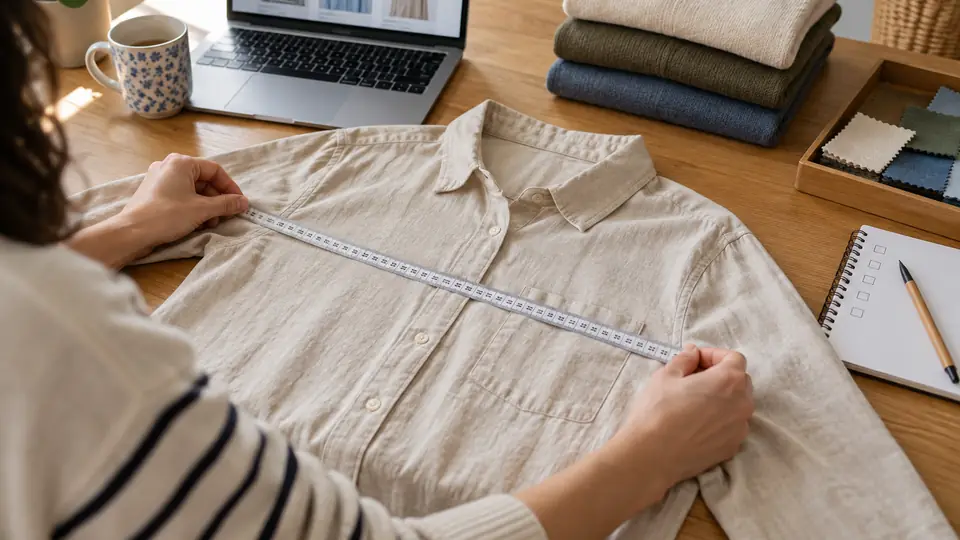
Choose clothing online
Measurements, cutting, fiber, maintenance and return: compare an online garment with concrete information rather than a photo.
Read the guide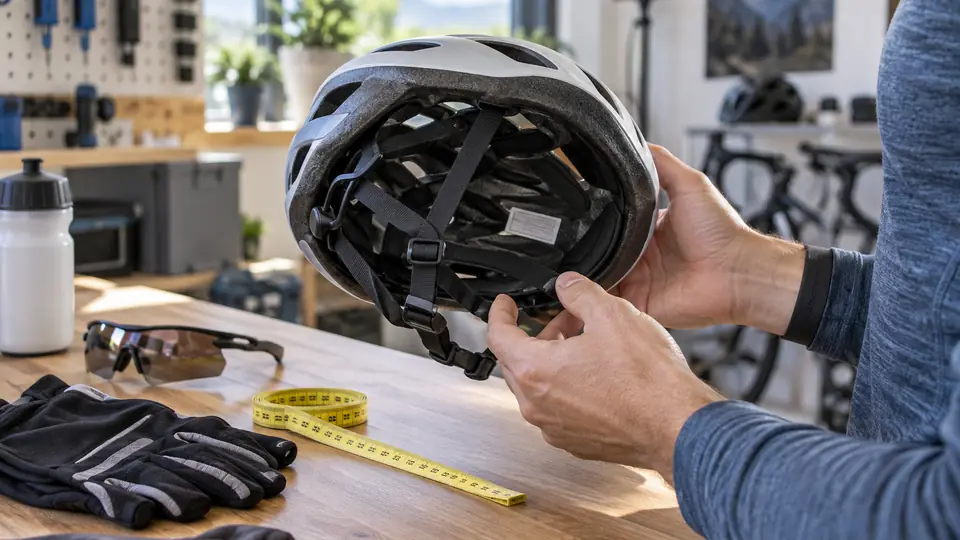
Sport and safety
Choose sports protective equipment
Discipline, size, marking, notice, adjustment and aging: choose a helmet or PPE adapted to the risk and user.
Read the guide
A decision before the product
Rent, borrow or buy
Compare purchase, rental and loan with the same number of uses, necessary accessories, transport and discount conditions.
Read the guide