Compare characteristics and costs
Compare prices per kilogram, litre and item
Return small sizes, batches and reloads to the same unit, then check the composition and quantity you will actually use.
Quick response
Essential in a minute
Divide the price paid by the total quantity, expressed in a common unit. Compare products of the same use and concentration. A large batch saves only if you use it before it deteriorates and if the costs or conditions of promotion do not cancel the difference.

Set the same unit
One price per package does not allow comparison 750 g and 1 kg. Convert grams into kilograms and millilitres into litres before dividing. For a lot, multiply the number of items by the quantity of each. The net weight and drained weight statements do not meet exactly the same need; keep the same basis of comparison.
- Same unit for both products.
- Total quantity of batch calculated.
- Distinguished net weight and drain.
Calculate the price actually paid
Educational example: 6 € for 750 g correspond to 8 €/kg. One batch of three packages of 250 g- 5,40 € corresponds to 7,20 €/kg. Add the order fees to compare two sellers; if the fee is for an entire basket, explain how you distribute them. A basket or voucher for a future order is not an immediate refund.
- Distinguished immediate price of deferred benefits.
- Conditions of the lot read again.
- Ordering costs taken into account.
Compare an equivalent service
For a concentrated product, compare the recommended dose and the number of uses announced. A litre of two washes does not necessarily offer the same number of washes. Similarly, the weight of a food does not establish its composition or its suitability for your needs. The unit is used to compare the price; it does not measure quality alone.
- Comparable composition or concentration.
- Reference dose checked.
- Essential accessories added.
Limit unnecessary stock
Check storage, space available and usual consumption. Cheaper large unit packaging can cost more if a part is thrown out. For a recurring offer, check the frequency and quantity delivered rather than multiply orders. Note the price and comparison date as a promotion can evolve.
- Quantity compatible with storage.
- Storage available.
- Price and date recorded.
Distinguish a discount on one item from a basket discount
Fictional example: two 500 ml bottles at €6 each, with 50% off the second, cost 6 + 3 = €9 for one litre. The discount applies to one bottle: the basket does not fall to €6. Compare €9/litre with another format for the same use and check the discount line, eligible quantities and offer terms.
- Identical scope and units.
- Assumptions and still-unknown charges identified.
- Terms of the specific offer confirmed.
Documented insight
Compare prices per kilogram, litre and pack
Convert different quantities to a common unit before comparing. EU consumer unit-price rules aim to enable this comparison, subject to the applicable provisions and exceptions.
Also consider usable quantity, storage, delivery and waste. A bulk pack with a lower price per kilo may cost the household more if some is discarded.
Divide total price by quantity in a common unit. Convert grams to kilograms or millilitres to litres first and check which contents the quantity describes. For packs, count all units, not just packages.
Compare dose, concentration, usable share and shelf life. Price per litre alone cannot compare different dilutions. Keep conditional discounts, loyalty rewards and deferred refunds separate, with their conditions visible.
- Unit
- Choose kilograms, litres or another suitable unit.
- Calculation
- Divide total price by quantity in that unit.
- Use
- Include storage and the share actually consumed.
Is the cheapest pack per unit always the best purchase?
No. Unit price helps comparison, but required quantity and possible waste also matter.
Fictional case — two sizes
750 g for €3.60 costs €4.80/kg; 1 kg for €5.20 costs €5.20/kg. The buyer also considers how much can be used.
Try the reasoning
Fictional example: three 250 mL bottles cost €6. What is the price per litre?
Reasoning: The pack contains 0.75 L; 6 / 0.75 = €8/L. Do not divide only by the bottle count.
| Offer | Common quantity | Unit price |
|---|---|---|
| 3 × 250 mL for €6 | 750 mL = 0.75 L | 6 / 0.75 = €8/L |
| 2 × 500 mL for €7.50 | 1,000 mL = 1 L | 7.50 / 1 = €7.50/L |
| 750 g for €3.60 | 750 g = 0.75 kg | 3.60 / 0.75 = €4.80/kg |
- Add upTotal quantity in each pack.
- ConvertSame unit for comparable offers.
- DivideTotal price divided by quantity, then assess use.
Primary source : EUR-Lex — Price Indication Directive 98/6/EC
Compare
The information to be collected in order to compare
| Criteria | Note | Why? |
|---|---|---|
| Output A | 6 € / 0,75 kg = 8 €/kg | Educational example |
| Output B | 5,40 € / (3 × 0,25 kg) = 7,20 €/kg | Educational example |
| Recharge concentrated | Price/number of uses | Respect the announced dose |
| Cart delivered | Products + basket-specific fees | Do not arbitrarily allocate costs |
Fictional example · No merchant prices
Price per kilo and quantity actually used
Ficile example: a batch of 1 kg costs 6 €; a package of 500 g costs 3,50 €. The lot is cheaper per kilo, but if you use only 400 g and lose the rest, its cost per kilo used becomes 6 Φ 0,4 = 15 €. If you use 450 g of the small package, this cost becomes 3,50 Φ 0,45, or about 7,78 This second calculation depends on your loss assumptions; it does not replace the displayed unit price and does not describe the quality of the food.
- Distinguish purchased quantity and usable quantity.
- Test a realistic conservation scenario, without presenting a predicted loss as certain.
- Compare the budget of the basket and use, not just packaging.
Before you continue
Final checklist : Compare prices per kilogram, litre and item
Check the points you actually checked. Checks stay in this page during the visit; they are not sent to the server. A checked point does not constitute a validation of the merchant.
Guide: Compare prices per kilogram, litre and item · Révision éditoriale : 26 October 2026.
Frequently Asked Questions
Useful answers
Is the large format always more economical?
No. Calculate the price per unit and check for storage. The cost of an unused quantity may exceed the estimated savings.
How do I compare an offer with an item offered?
Include the item in the total quantity only if the conditions are met and if you will use it. Divide the price paid by all the quantity received.
Does a loyalty advantage reduce the price paid today?
Distinguish the immediate payment of the credit usable later. Check the terms, validity and exclusions before incorporating this advantage into your decision.
To check
Reference sources and documentation
Sources consulted on .
The editorial update date does not guarantee a new verification of each source. See the references for an individual situation or regulatory evolution.
- Ministry of Economy — Price displayDisplay of the total price and the unit price.
Putting into practice
Explore relevant shops
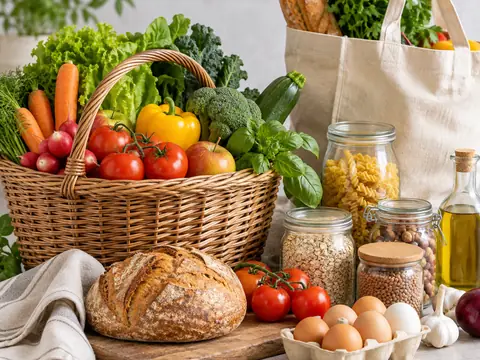



Continue
Other purchase guides

Pets
Choose pet food
Species, age, whole or supplementary food, portion and preservation: compare a feed without relying on promises.
Read the guide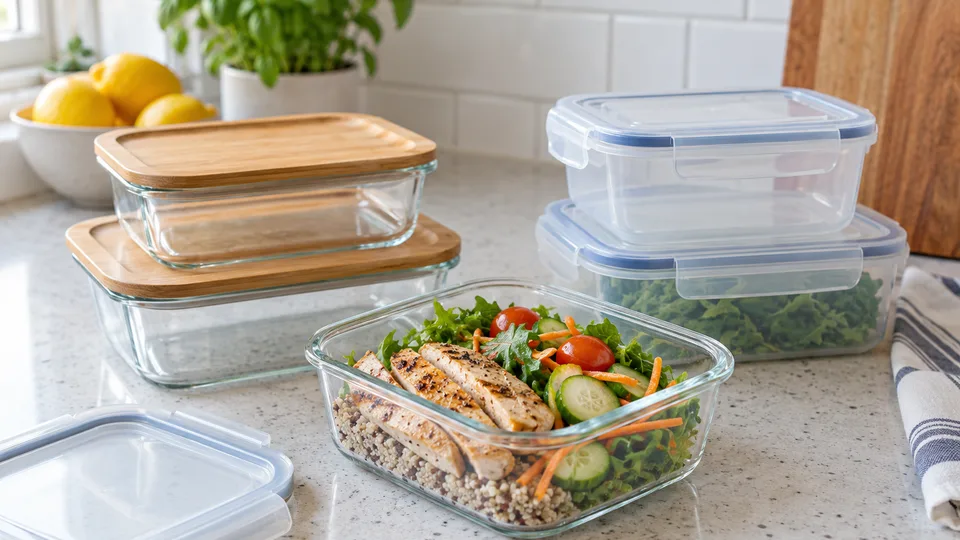
Kitchen and storage
Choose food storage containers
Compare food containers according to storage, transport, heating, temperature limits and cleaning instructions.
Read the guide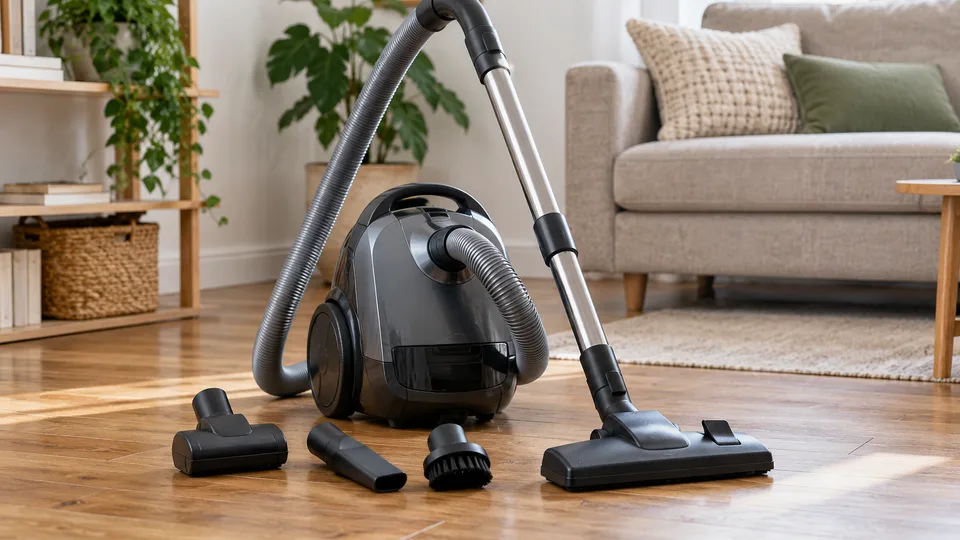
Maintenance of the house
Choose a suitable vacuum cleaner
Compare the vacuum cleaners according to your floors, stairs, accessories included, handling, consumables and maintenance instructions of the model.
Read the guide