Kitchen and storage
Food boxes: choose according to actual uses
A convenient can in the refrigerator is not necessarily suitable for the oven, the transport of soup or freezing. The right choice starts with a list of uses.
Quick response
Essential in a minute
Separate storage, transport and heating. For each reference, record the permitted uses of the container, lid and seal. Compare the useful capacity, the space and the cleaning. The DGCCRF recommends that the conditions for food contact be met: a material or appearance is not enough to establish all the compatibilitys.

1. Define the three priority uses
Write what you are actually carrying or keeping for a week: full meal, sauce, cut fruit, leftovers or dry ingredients. Add the position in the bag and the place where the meal will be warmed up. For a box for the office, also measure the space available in the bag and in the shared refrigerator. A large advertised capacity can be impractical if the container does not pass on the shelf. Make a sketch with the maximum dimensions and keep it close to the basket when comparing several offers.
- Three typical meals listed.
- Bag and shelf measured.
- Liquid transport specified.
2. Read the limits of each component
Look for food contact, temperature and cleaning instructions in the sheet or package leaflet. Distinguish the container, its lid and seal: they do not necessarily follow the same rules. The food contact pictogram does not mean that all cooking methods are allowed. If information is missing, ask for a written confirmation for the intended specific use. Do not transpose the limits of a box similar to a new reference. Keep the indications to find the best practices after removing the packaging.
- Record of the exact reference.
- Distinguished lid and joint.
- Known temperature limits.
3. Compare a lot actually usable
Count the containers you need, then their useful capacity and their congestion once closed. A lot of many small parts does not amount to several boxes suitable for a lunch. Note if the covers are interchangeable and if the seals or parts can be replaced. Compare the price of the lot, the shipping costs and any additional components. You can prepare a table with one line per size and one column per use: this method avoids paying for formats that will remain at the bottom of the closet.
- Useful sizes counted.
- Additional parts identified.
- Price of the whole lot compared.
4. Controlling closure and maintenance
Upon receipt, check the references, joints, closure and condition of the surfaces before any food use. Read the instructions for first cleaning. Test the handling with the empty container to see if it opens without undue effort and is stored correctly. Follow the instructions for cleaning the seals and drying. DGCCRF does not recommend reusing a single-use container: do not confuse delivery packaging with a repeat-use box. Report a defect to the seller rather than make repairs on a food contact area.
- Parts present and intact.
- First clean-up conforms.
- Record kept.
Compare
Choose by scenario
| Use | What to check | Mistake to avoid |
|---|---|---|
| Meals transported | Closure and congestion | Consolidate lid and announced seal |
| Heating | Permitted mode and temperature | Apply container set to lid |
| Freezing | Compatibility and filling | Ignore package leaflet |
| Dry storage | Capacity and storage | Compare only the number of pieces |
Fictional example · No merchant prices
A lidless set differs from a complete set
Fictional example: a €24 set needs €10 lids and €5 delivery, totalling €39. A €32 set includes lids and delivery. The second costs €7 less for the chosen need only if container count, volumes and permitted uses are comparable.
| Expense item | Offer A | Offer B |
|---|---|---|
| Product or basket | 24.00 € | 32.00 € |
| Extras | 10.00 € | 0.00 € |
| Delivery and setup | 5.00 € | 0.00 € |
| Total of included items | 39.00 € | 32.00 € |
The stated piece count may differ from the number of complete containers.
- Read permitted uses for the container and lid separately.
Before you continue
Final checklist : Choose food storage containers
Check the points you actually checked. Checks stay in this page during the visit; they are not sent to the server. A checked point does not constitute a validation of the merchant.
Guide: Choose food storage containers · Révision éditoriale : 28 October 2026.
Frequently Asked Questions
Useful answers
Is the glass still in the oven?
Do not deduct it from the material alone. Check the reference notice, temperatures, permitted transitions and accessories. A box proposed for storage may have different limits of a baking dish.
Is a food box automatically reusable?
No. A single-use packaging and a container designed to be used several times are not equivalent. Look for manufacturer's instructions, including cleaning and heating.
Why compare dimensions rather than just liters?
The volume does not describe the height, width, or position taken by the lid. Measure the storage and bag with practical margins, then compare formats suitable for the same meal.
To check
Reference sources and documentation
The editorial update date does not guarantee a new verification of each source. See the references for an individual situation or regulatory evolution.
- DGCCRF — Materials and containers in contact with foodFood contact and compliance with conditions of use. Comparison grids are editorial proposals.
Putting into practice
Explore relevant shops

Continue
Other purchase guides
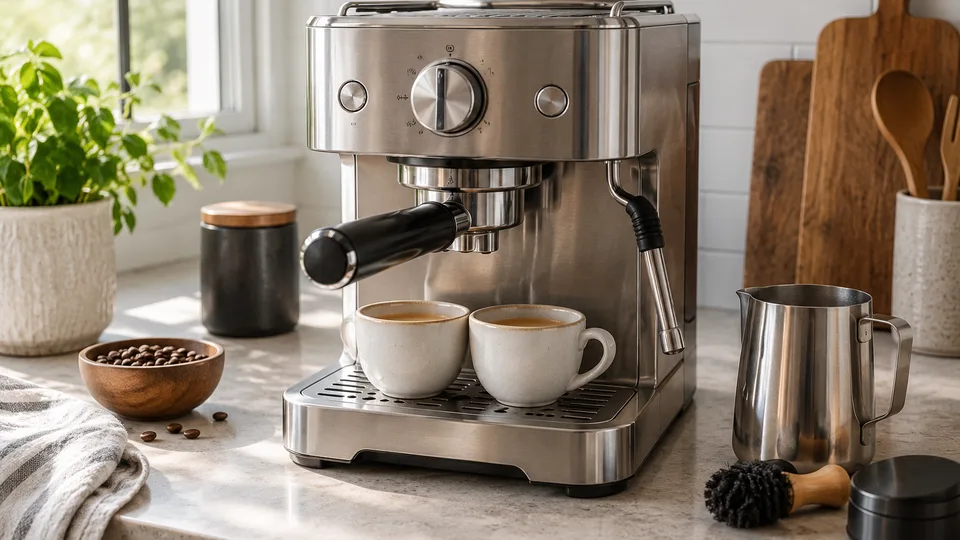
Small appliances
Compare coffee machines
Compare a coffee machine according to the drinks, cost of consumables, congestion, cleaning and maintenance instructions of the model.
Read the guide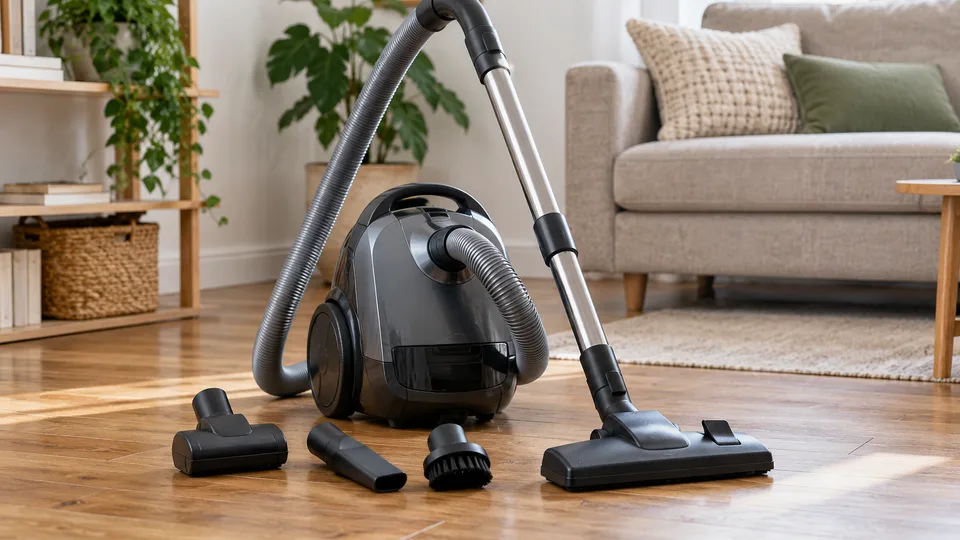
Maintenance of the house
Choose a suitable vacuum cleaner
Compare the vacuum cleaners according to your floors, stairs, accessories included, handling, consumables and maintenance instructions of the model.
Read the guide
Kitchen equipment
Choose a frying pan or saucepan
Check the compatibility with your plate, the useful dimensions, the contents of the batch and the instructions for heating, cleaning and switching to the oven.
Read the guide