Responsible procurement
Environmental labels and claims: checking evidence
A green colour, leaf or vague formula does not describe the impact of a product. A useful claim specifies what is measured, what part of the life cycle and what evidence is used.
Quick response
Essential in a minute
Ask what the promise covers exactly: material, manufacturing, use, transport, repairability or end of life. Look for a measurable criterion, perimeter, method and an identifiable organism. Then compare the lifetime, repair, energy, quantity and actual use rather than the appearance of the packaging. When two products do a different service or do not have the same duration of use, a limited comparison to the weight of packaging can lead to a misleading conclusion. Keep the page of evidence when the claim actually influences your decision or justifies a higher price.

1Rewording the promise
Words such as "green", "eco-responsible" or "best for the planet" remain vague and unspecified. Ask what feature is improved, what, and how much. A clear claim must be understandable without marketing interpretation.
- Named environmental characteristic.
- Base the comparison indicated.
- Perimeter of the specified product or service.
2. Search for evidence and its transmitter
Identify methodology, date, organization and access to criteria. Distinguish self-declaration, private label, third-party certification and mandatory information. A label-like symbol may only be a graphic element.
- Identifiable issuer.
- Accessible criteria.
- Independent control or separate self-reporting.
3. Watching the whole life cycle
An improvement on the packaging does not necessarily compensate a product that is not durable or difficult to repair. Examine materials, manufacturing, use, maintenance, energy, service life and end of life according to the most significant impacts for the category.
- Estimated duration of use.
- Repair and parts examined.
- Consumption and maintenance taken into account.
4. Compare without looking for a perfect product
Use homogeneous criteria between products and prioritize those that matter for your use. Buying less, choosing a suitable size, repairing or using longer can weigh more than a small difference in packaging.
- Same unit and same service compared.
- Actual use taken into account.
- Arbitrage noted without absolute promise.
Compare
Test an allegation
| Question | Due response | Low signal |
|---|---|---|
| What? | Specific characteristic | General formula |
| How much? | Measurement or threshold | No numbers or criteria |
| Compared to what? | Comparable reference | Implicit comparison |
| Who's checking? | Organization and method | Logo not explained |
Before you continue
Final checklist : Assess an environmental claim
Check the points you actually checked. Checks stay in this page during the visit; they are not sent to the server. A checked point does not constitute a validation of the merchant.
Guide: Assess an environmental claim · Révision éditoriale : 14 September 2026.
Frequently Asked Questions
Useful answers
Does a kraft package prove that a product is environmentally friendly?
No. The visible colour and material are not enough; examine composition, quantity, manufacture, use, life and end of life.
Are all labels valid?
No. The scope, criteria, method of control and independence of the organization vary. Look for the label documentation.
Is a "neutral" promise sufficient?
No. It must explain the scope, method, reductions actually achieved and the possible place of compensation.
To check
Reference sources and documentation
The editorial update date does not guarantee a new verification of each source. See the references for an individual situation or regulatory evolution.
- DGCCRF—Environmental Claims: What to RememberDefinitions, reliability, transparency, labels and life cycle.
- DGCCRF — Avoid eco-leashing trapsGreenwash signs and benchmarks for comparison.
Putting into practice
Explore relevant shops

Continue
Other purchase guides
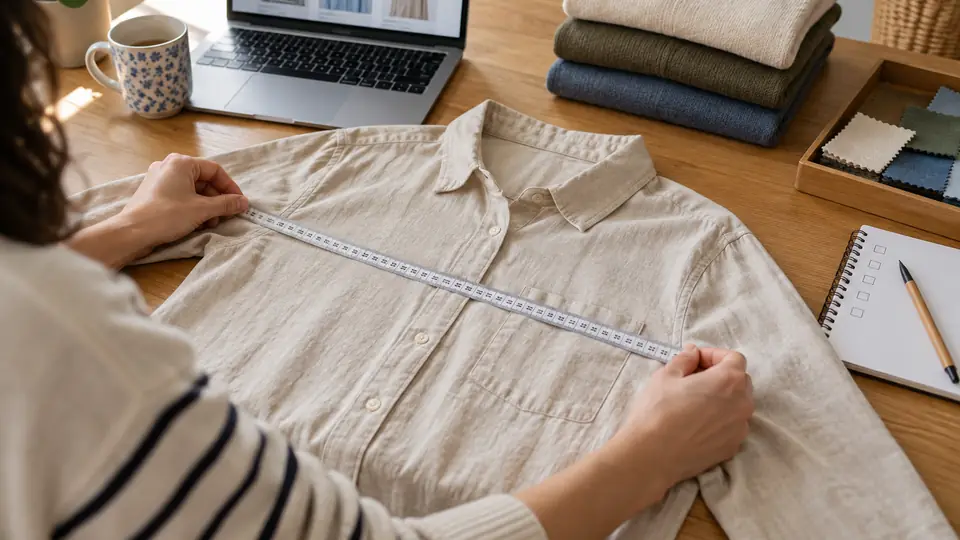
Remote mode and fitting
Choose clothing online
Measurements, cutting, fiber, maintenance and return: compare an online garment with concrete information rather than a photo.
Read the guide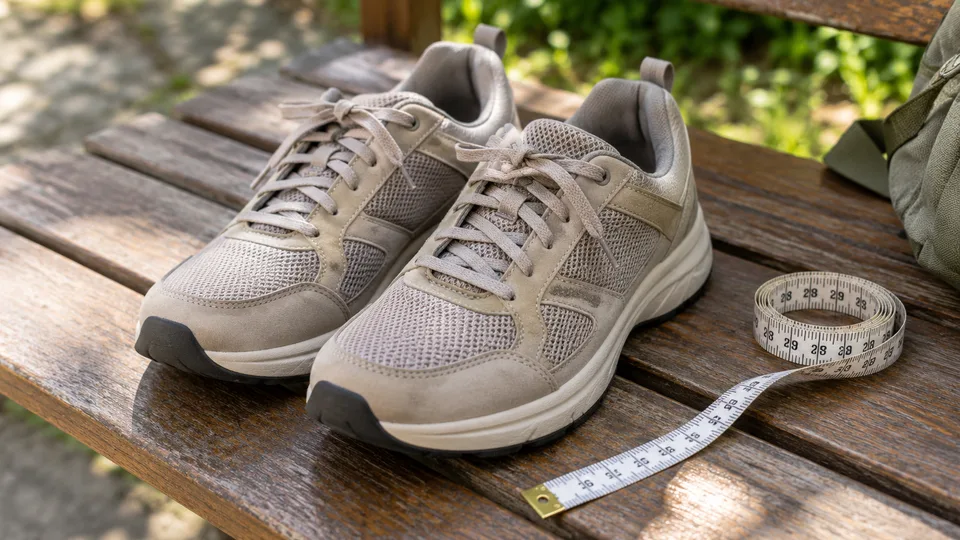
Fashion and shoes
Compare shoe sizes and widths
Prepare a purchase of shoes with useful measurements, model guide, material reading and a clean test before deciding on the return.
Read the guide
Bedding and room
Compare mattresses and trial periods
Check dimensions, spring compatibility, delivery access and test conditions before buying a mattress, without confusing comfort and health promise.
Read the guide